Gleanings — §556

Arabic source with Shoghi Effendi’s authorized English translation. Paragraph 556 of 729.

Source (Arabic)

قسم بخدا که اگر سالک سبیل هدی و طالب معارج تقی باین مقام بلند اعلی واصل گردد رائحهٔ حقّ را از فرسنگهای بعیده استنشاق نماید و صبح نورانی هدایت را از مشرق کلّ شیء ادراک کند و هر ذرّه و هر شیء او را دلالت بر محبوب و مطلوب نماید و چنان ممیّز شود که حقّ را از باطل چون شمس از ظلّ فرق گذارد مثلاً اگر نسیم حقّ از مشرق ابداع وزد و او در مغرب اختراع باشد البتّه استشمام کند و همچنین جمیع آثار حقّ را از کلمات بدیعه و اعمال منیعه و افعال لمیعه از افعال و اعمال و آثار ماسوی امتیاز دهد چنانچه اهل لؤلؤ لؤلؤ را از حجر و انسان ربیع را از خریف و حرارت را از برودت و دماغ جان چون از زکام کون و امکان پاک شد البتّه رائحهٔ جانان را از منازل بعیده بیابد و از اثر آن رائحه بمصر ایقان حضرت منّان وارد شود

Shoghi Effendi Translation

I swear by God! Were he that treadeth the path of guidance and seeketh to scale the heights of righteousness to attain unto this glorious and exalted station, he would inhale, at a distance of a thousand leagues, the fragrance of God, and would perceive the resplendent morn of a Divine guidance rising above the Dayspring of all things. Each and every thing, however small, would be to him a revelation, leading him to his Beloved, the Object of his quest. So great shall be the discernment of this seeker that he will discriminate between truth and falsehood, even as he doth distinguish the sun from shadow. If in the uttermost corners of the East the sweet savors of God be wafted, he will assuredly recognize and inhale their fragrance, even though he be dwelling in the uttermost ends of the West. He will, likewise, clearly distinguish all the signs of God — His wondrous utterances, His great works, and mighty deeds — from the doings, the words and ways of men, even as the jeweler who knoweth the gem from the stone, or the man who distinguisheth the spring from autumn, and heat from cold. When the channel of the human soul is cleansed of all worldly and impeding attachments, it will unfailingly perceive the breath of the Beloved across immeasurable distances, and will, led by its perfume, attain and enter the City of Certitude.

Translation Notes

چنان

literal: so/such

SE expanded to “So great shall be”

1 occurrence in corpus

گذارد
gdhárd gdhárd

literal: place; place/put; to leave

SE rendered باطل (báṭl), چون (chún), شمس (shms), از (iz), ظلّ (ẓll), فرق (frq), گذارد (gdhárd), مثلاً (mthláan), نسیم (nsím), حقّ (ḥqq), از (iz), مشرق (mshrq) as “falsehood, as, sun, shadow, discriminate, sweet, God, East”

8 occurrences in corpus

مثلاً
mthláan m-th-l

literal: like; likeness; example

SE rendered باطل (báṭl), چون (chún), شمس (shms), از (iz), ظلّ (ẓll), فرق (frq), گذارد (gdhárd), مثلاً (mthláan), نسیم (nsím), حقّ (ḥqq), از (iz), مشرق (mshrq), ابداع (ibdáʿ) as “falsehood, as, sun, shadow, discriminate, sweet, God, East, the”

instance 18% like 14% even 12% consider 12% such 10% same 10% equal 8% what 8% one 6% peerless 2%
ماسوی
másúy s-w-y

literal: other than; other-than; other than, except

SE rendered لمیعه (lmíʿh), از (iz), افعال (ifʿál), اعمال (iʿmál), آثار (áthár), ماسوی (másúy), امتیاز (imtíáz), دهد (dhd), چنانچه (chnánchh), اهل (ihl), لؤلؤ (lʾlʾ) as “mighty, from, doings, distinguish, jeweler, gem”

all 50% anyone 25% men 25%
خریف
khríf kh-r-f → “autumn”

literal: autumn

2 occurrences in corpus

زکام

literal: cold; cold/stuffiness; congestion

impeding 50% sorely 50%
امکان
imkán m-k-n

literal: possibility; possible; possible things

SE rendered دماغ (dmágh), جان (ján), چون (chún), از (iz), زکام (zkám), کون (kún), امکان (imkán), پاک (pák), البتّه (al-btth), رائحهٔ (ráʾḥh), جانان (jánán) as “channel, soul, When, impeding, worldly, cleansed, breath, Beloved”

حضرت
ḥḍrt ḥ-ḍ-r → “the”

literal: presence/holiness

SE rendered اثر (ithr), رائحه (ráʾḥh), بمصر (bmṣr), ایقان (iyqán), حضرت (ḥḍrt), منّان (mnnán), وارد (wárd) as “perfume, the, Certitude, enter”

majesty 44% honor 10% great 10% holiness 10% commander 7% who 5% excellency 3% unto 3% imam 3% embodiments 3%
منّان
mnnán m-n-n → “the”

literal: beneficent; beneficent, bestower

SE rendered اثر (ithr), رائحه (ráʾḥh), بمصر (bmṣr), ایقان (iyqán), حضرت (ḥḍrt), منّان (mnnán), وارد (wárd) as “perfume, the, Certitude, enter”

Model Translations by Shoghi Effendi

Epistle to the Son of the Wolf cover

Epistle to the Son of the Wolf

Bahá’u’lláh

The last outstanding Tablet revealed by Bahá’u’lláh, written around 1891 and addressed to Shaykh Muḥammad-Taqí of Iṣfahán. It calls upon that rapacious priest to repent, quotes the most celebrated passages from Bahá’u’lláh’s own writings, and adduces proofs establishing the validity of His Cause.

268 ¶

Fire Tablet cover

Fire Tablet

Bahá’u’lláh

Revealed in late 1871 during a period of severe hardship in ‘Akká, this Tablet takes the form of an anguished dialogue between Bahá’u’lláh and God. Questions about the sufferings of the faithful are answered with divine assurances, building to a crescendo of triumph over tribulation.

50 ¶

Kitáb-i-'Ahd cover

Kitáb-i-’Ahd

Bahá’u’lláh

The Book of the Covenant — Bahá’u’lláh’s Will and Testament, written entirely in His own hand and unsealed on the ninth day after His ascension. It designates ‘Abdu’l-Bahá as His successor and establishes what Shoghi Effendi called the mightiest Covenant in all religious history.

16 ¶

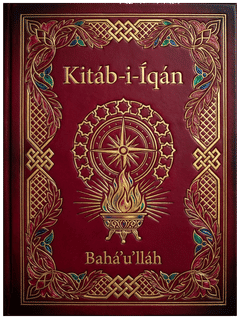
Kitáb-i-Íqán cover

Kitáb-i-Íqán

Bahá’u’lláh

The principal doctrinal work of the Faith, revealed in Baghdad within the space of two days and two nights in response to questions from the Báb’s maternal uncle. Shoghi Effendi described it as occupying a position unequalled by any work except the Kitáb-i-Aqdas — a model of Persian prose, at once original, chaste, vigorous, and remarkably lucid.

291 ¶

Prayers and Meditations cover

Prayers and Meditations

Bahá’u’lláh

Published in 1938, this companion volume to Gleanings contains 184 prayers and meditations selected by Shoghi Effendi from Bahá’u’lláh’s devotional writings revealed across successive exiles from Baghdad to ‘Akká. Shoghi Effendi described it as a volume whose perusal would deepen the spirit of devotion and faith.

858 ¶

Tablet of Aḥmad cover

Tablet of Aḥmad

Bahá’u’lláh

Revealed in Adrianople and addressed to a believer named Aḥmad, this Tablet has been invested by Bahá’u’lláh with a special potency and significance. Its central imagery draws on the metaphor of fire and water: “Be thou as a flame of fire to My enemies and a river of life eternal to My loved ones.”

17 ¶

Tablet of Carmel cover

Tablet of Carmel

Bahá’u’lláh

Revealed during a visit to Mount Carmel, this Tablet addresses the mountain directly and prophesies its future as the world spiritual and administrative center of the Faith. Shoghi Effendi designated it one of three foundational Charters. Its imagery of the Ark and the dwellers therein prefigures the Universal House of Justice.

5 ¶

Tablet of the Holy Mariner cover

Tablet of the Holy Mariner

Bahá’u’lláh

Chanted aloud in the outskirts of Baghdad just weeks before the Declaration in the Garden of Riḍván, its gloomy prognostications aroused the grave apprehensions of all who heard it. Only the Arabic portion has an authorized translation; the Persian portion remains untranslated.

57 ¶

The Hidden Words cover

The Hidden Words

Bahá’u’lláh

Seventy-one Arabic and eighty-two Persian aphorisms revealed around 1858 while walking along the banks of the Tigris in Baghdad. Originally designated the “Hidden Book of Fáṭimih,” Shoghi Effendi described it as a marvelous collection of gem-like utterances occupying a position of unsurpassed preeminence among the ethical writings of the Faith.

160 ¶

Will and Testament cover

Will and Testament

‘Abdu’l-Bahá

Written by ‘Abdu’l-Bahá in three parts between 1901 and 1908, opened and read after His passing on 28 November 1921. Shoghi Effendi designated it the Charter of the New World Order — the mightiest instrument forged to ensure the continuity of the three ages of the Bahá’í Dispensation.

59 ¶